Machine Translation Post Editing in 2025: Where Are We Now?

Machine translation has evolved significantly over the past two decades.
What began as a basic, often clunky tool for understanding foreign languages has transformed into a vital component of modern global communication. In 2025, machine translation post editing is no longer a niche service, it’s an industry-standard solution.
TL;DR: Machine Translation Post Editing in 2025
- Machine translation post editing (MTPE) blends machine speed with human accuracy for high-quality, scalable translations.
- Raw machine translated output often includes grammatical errors, inconsistent terminology, or culturally inappropriate phrases.
- Post editors play a crucial role by refining style, tone, and accuracy using tools like translation memory and CAT tools.
- MTPE is now standard in industries like medical devices, manufacturing, legal, and finance — offering cost-effective, fast, and reliable results.
- Light vs. Full Post Editing workflows evolve alongside AI and machine translation engines, with more automation and smarter quality checks.
- The future of translation lies in human-in-the-loop systems, not human replacement.
With the rise of artificial intelligence, natural language processing, and large language models, machine translation (MT) can now deliver higher quality translations faster than ever before. But MT on its own is not perfect. The combination of raw MT with human post editing is what ensures accuracy, fluency, and clarity in translated materials.
So, where are we now in the world of post-editing machine translation? And why is this process critical for companies operating across different languages and domains?
From Raw Output to High-Quality Translation
Raw machine translation refers to the machine translated output generated directly by a machine translation engine, without any human intervention. While it helps get the “gist” of a source text, raw translation often includes grammatical errors, spelling mistakes, and misinterpretations of idiomatic expressions or cultural references.
This is where post editing plays a crucial role. Human translators step in to review, refine, and adapt the raw output into a translated text that’s both accurate and culturally appropriate for the target audience.
There are two main types of post editing:
Light Post Editing (LPE)
Focuses on making the output understandable by correcting major issues like grammar and meaning. This is often used for internal documents, FAQs, or non-critical translation projects.
Full Post Editing (FPE)
Aims for accurate translations that are ready for publication. This level corrects style, tone, terminology, and cultural nuances, ensuring the translated content meets both brand standards and industry quality assurance requirements.
Evolution of Machine Translation Technology
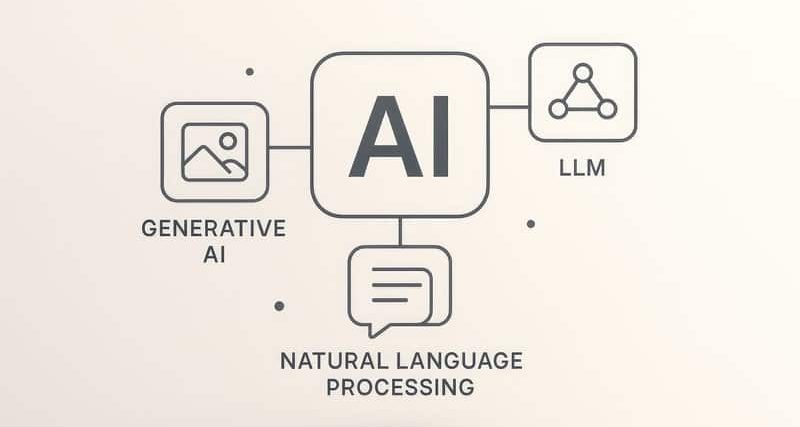
Machine translation has passed through several technological phases:
Statistical Machine Translation (SMT) – Based on word frequencies and bilingual corpora.
Neural Machine Translation (NMT) – Introduced context-aware translation using deep learning.
Generative and Adaptive MT Systems – Today’s cutting-edge MT systems (like GPT-4.5 or Claude 3) use artificial intelligence to go beyond direct translation, adapting tone and specific style in context.
Despite the improvements, machine generated translation is still prone to issues such as:
Hallucinations – Inventing incorrect content or translations.
Inconsistent sentence structures across content.
Translation based on mismatched domains, leading to inaccurate or misleading results.
Thus, even with advanced mt systems, post editing by a skilled post editor is essential.
The Role of Post Editors
Post editors are trained professionals who bridge the gap between automated process and human linguistic skill. Their responsibilities include:
Fixing grammatical errors and unnatural phrasing
Preserving tone and intent from the source text
Ensuring translation quality meets expectations
Using translation memory and computer assisted translation tools to ensure consistency and reuse of key terms
Meeting tight deadlines for global campaigns
In fact, without human editors, even the most advanced mt engine would fall short in high-stakes applications like legal documents, medical device content, or financial reports.
Why Post Editing Is Essential Across Industries

Let’s explore how machine translation post editing supports key sectors:
Medical Devices
This industry has strict terminology requirements and regulatory constraints. Post editing ensures:
Accurate IFUs (Instructions for Use)
Compliant clinical trial materials
Reliable patient-facing translations
Manufacturing
With EU directives and compliance documentation across markets, machine translation works efficiently, especially when paired with post editing:
Translated safety data sheets
Technical manuals and maintenance guides
Multilingual source text for consistent production
Legal Sector
Legal documents must be precise and secure. Post editing helps translation services ensure:
Correct terms and conditions
Reliable contracts and compliance materials
Confidentiality through trusted workflows
Finance
The financial world values speed and precision. Post-edited machine translated text enables:
Fast turnaround for earnings reports
Compliance with disclosure requirements
Consistency across translation memory systems
Cost Efficiency with MTPE
Is machine translation post editing more affordable than traditional human translation? The answer is a resounding yes.
MT handles volume quickly
Post editors refine the output with domain-specific corrections
Fewer hours spent translating from scratch
This makes MTPE a cost effective compared to traditional workflows, especially when deadlines are tight or budgets are limited.
Businesses save on cost while maintaining the overall quality of the final output. The hybrid model also accelerates the translation process, supporting content localization at scale.
Want to Drastically Cut Translation Costs?
Most inefficiencies in translation begin before the translation even starts. We’re working on something that will change that. Want to be the first to hear about it?
Key Challenges in Machine Generated Translation
According to Koehn and Knowles (2017) in their paper (see section 3.1 “Domain Mismatch”), machine translation faces challenges because words have different translations and meanings across domains. Read more.
Despite progress, machine generated output still faces hurdles:
Tone and nuance errors, especially in marketing or creative content
Data privacy issues, some public MT platforms are not GDPR compliant
Domain mismatch: The same word might have different meanings in different industries
Over-reliance on MT without human validation can hurt the quality of the translation
For these reasons, companies are advised to collaborate with language professionals using licensed tools and secure translation services.
What Makes Post Editing Successful?
Success in post-editing machine translation depends on several factors:
Pre translation setup – Build a solid translation memory, glossary of key terms, and style guide.
Collaboration – Work with trained professional translators and human translators.
Tools – Use integrated CAT tools, predictive MT suggestions, and multi-engine previews.
Feedback loops – Collect feedback to continuously improve MT output and reduce repetitive errors.
The synergy between MT and human post input allows for agile, reliable workflows across translation projects of all types.
What’s Next for MT and Post Editing?
We expect:
Tighter MT integration into enterprise TMS systems
More adaptive MT engines for niche industries
On-the-fly training of mt engines by post editors
Growth of auto-cleaning tools for low-risk source text
Full post editing will evolve with:
Quality prediction AI that flags problematic segments
Emphasis on tone, coherence, and brand voice
Selection from multiple machine generated outputs
Light post editing will see:
More real-time MT suggestions
Automated checks before human review
Prioritization of translated content based on complexity
Final Thoughts
In 2025, machine translation post editing is no longer optional—it’s essential. The combination of machine translation with skilled human post editing leads to more accurate translations, better productivity, and scalable localization.
Whether you’re handling legal contracts, translated content for regulated sectors, or adapting marketing materials across different languages, integrating post-editing into your workflow ensures that your message is both clear and compliant.
It’s not about replacing human expertise—it’s about amplifying it with the power of artificial intelligence.
Frequently Asked Questions
Machine translation is an automated process where software translates text from one language to another without human input. Modern machine translation engines use neural networks and AI to generate more fluent and context-aware output.
Post editing involves revising and refining machine translated output to improve translation quality, clarity, and cultural relevance. It is performed by human editors or post editors.
Yes, the terms are used interchangeably. Both describe the process of improving raw machine translation through human post editing.
Companies in healthcare, law, manufacturing, finance, and tech frequently use MTPE. Whether you're a self-employed entrepreneur or a multinational enterprise, post-editing helps fast-evolving industries with better translated text, in less time and cost.
Yes. For example, DEMA Solutions has been an MTPE-certified translation provider since 2019 through the Trados Post-Editing Certification program. This certification, offered by SDL (now RWS Moravia), provides specialized training and recognition for professionals involved in post-editing machine translation output.
How can we help?
Tell us what you need and we’ll get back to you with the solutions.