
Easy-to-Read language services
Accessibility begins with the reader, not the source document.
Easy-to-Read adapts language, information structure and presentation for people who may find conventional content difficult to process. It is not only shorter wording: the content is selected, reorganised and presented so essential information can be understood and acted on.
Audience first
Can the reader find, understand and use the information?
Easy-to-Read is a deliberately adapted version for people who may need significantly reduced complexity, supportive structure and a more explicit presentation.
What changes
Easy-to-Read is a separate content version, not a light edit.
DEMA adapts written, electronic, audio and video information. The common principle is to remove avoidable cognitive load while preserving the information the audience genuinely needs.
Information selection
Identify what is essential for the intended reader and remove details that obstruct the core message.
Language simplification
Use direct sentence structures, familiar words and explicit references instead of compressed or abstract phrasing.
Visual support
Use hierarchy, spacing, images or supportive layout decisions to help the reader navigate the information.
Audience validation
Where the project allows, accessibility and readability can be checked with representatives of the intended audience or relevant organisations.
Formats
Easy-to-Read can be applied across channels.
We adapt both conventional documents and multimedia communication into Easy-to-Read.
Brochures & leaflets
Web pages
Internal documents
Legal information
Student material
Letters & memoranda
Instructions & manuals
Forms & applications
Reports
Audio scripts
Video scripts
How the adaptation works
The source is analysed for cognitive barriers before it is rewritten.
01
Define the audience and purpose
Clarify who needs the information, what they already know and what action or understanding the content must support.
02
Prioritise the information
Separate essential instructions or facts from supporting detail and decide what should be removed, reordered or explained.
03
Rewrite for comprehension
Use explicit structure, shorter idea units, familiar vocabulary and clear connections between actions and consequences.
04
Redesign the presentation
Support the text with readable hierarchy, spacing, lists, images or other visual cues appropriate to the format.
05
Validate and refine
Review the version for readability and, where feasible, include feedback from people representative of the target audience.
Easy-to-Read vs Plain Language
Both improve comprehension, but they are not the same service.
Easy-to-Read
Plain Language
Primary audience
Readers who may need a deliberately adapted version because conventional content is difficult to process.
General audiences who need information to be easier to find, understand and use.
Degree of adaptation
Can involve substantial selection, restructuring, simplification and supportive presentation.
Usually keeps the full information while improving clarity, order and usability.
Typical output
A distinct accessible version.
A clearer primary version of the same information.
Accessibility programme
Easy-to-Read is one response to one kind of barrier.
The European Accessibility Act has been enforceable since 28 June 2025. DEMA’s accessibility portfolio includes Easy-to-Read, Plain Language, PDF remediation and SDH subtitling because different barriers require different interventions.
Cognitive barrier
Easy-to-Read or Plain Language, depending on the audience and level of adaptation required.
Technical PDF barrier
PDF remediation for tagged structure, reading order, alt text and assistive-technology navigation.
Audio barrier
SDH subtitles for viewers who need dialogue and relevant non-dialogue information in text form.
Events and insights
Sharing our accessibility expertise with the industry.
Our team speaks at conferences, writes for industry media and runs workshops on plain language, accessibility and inclusion.
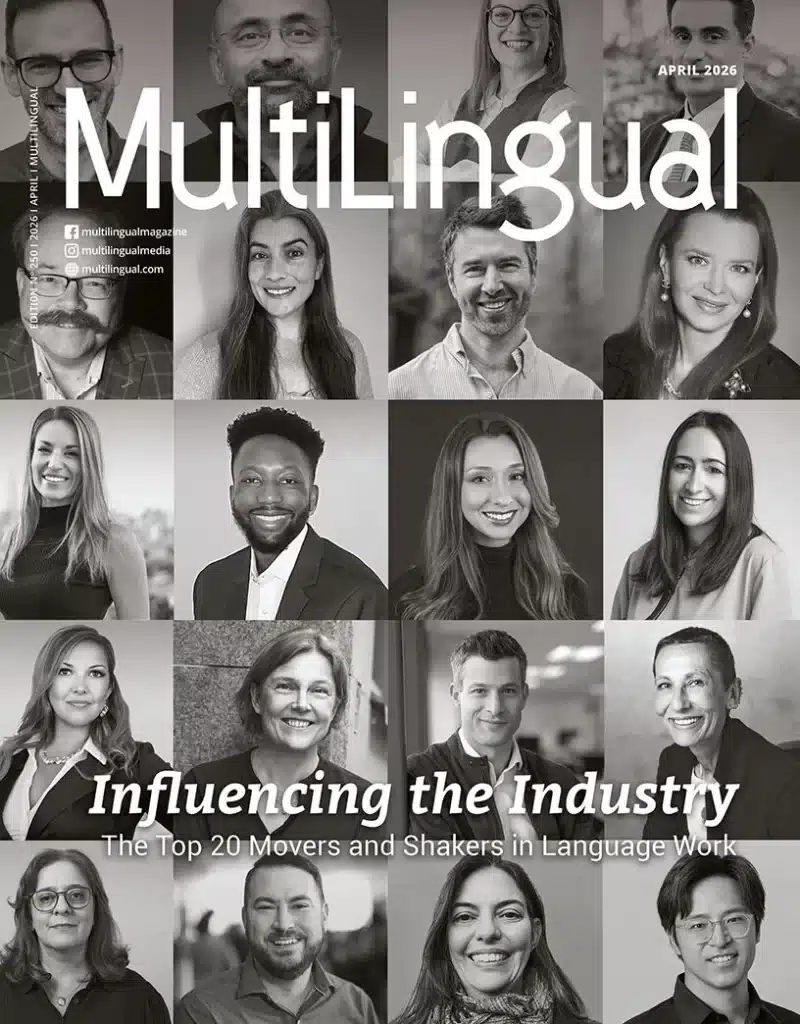 Article · MultiLingual magazine, April 2026
Influencing the Industry
In the April 2026 issue, Milena Spelta Parenti is featured among language industry influencers, explaining why accessible and inclusive language is about removing barriers.
Read the article ↗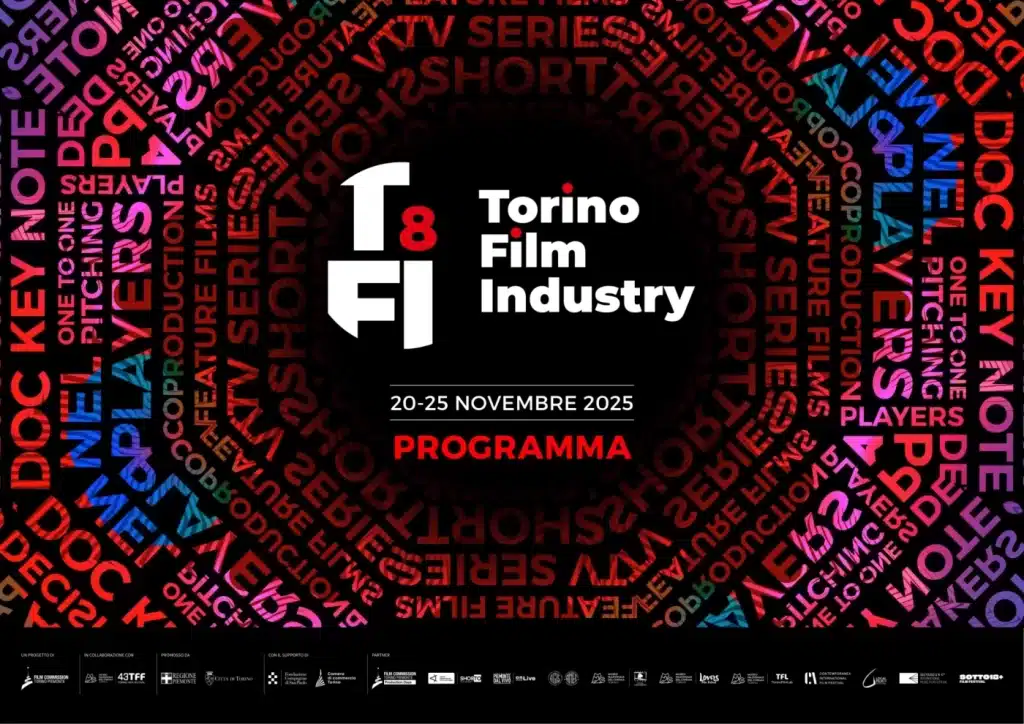 Workshop · Torino Film Festival 2025
Lo spettacolo per tutti: inclusione e innovazione sul palco e sullo schermo
Milena Spelta Parenti took part in this workshop on making theatre and film accessible to every audience, with inclusive and innovative approaches on stage and on screen.
View the programme ↗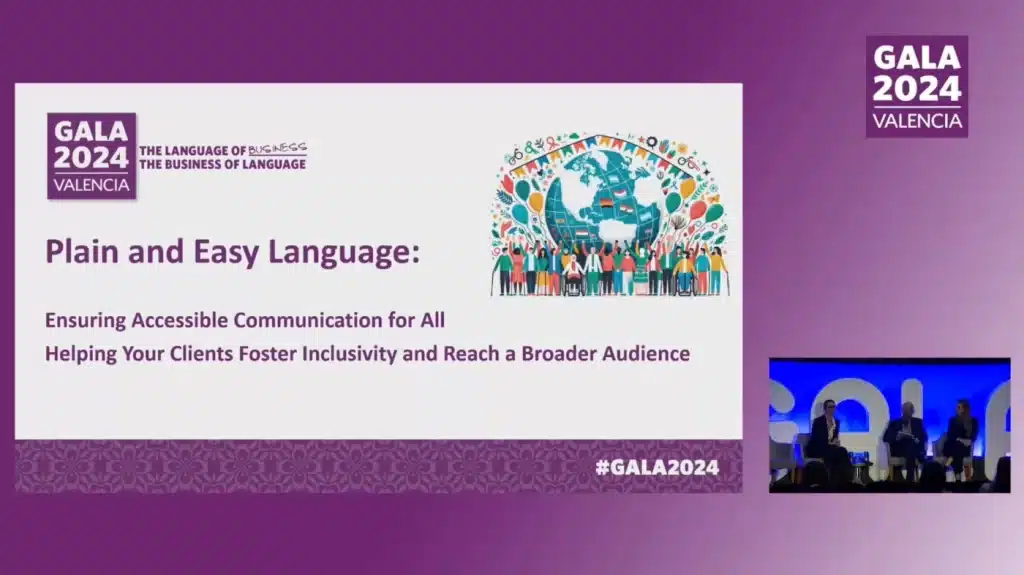 Conference talk · GALA 2024 Valencia
Plain and Easy Language: ensuring accessible communication for all
Milena Spelta Parenti and Jovana Maravic share how we simplify language for specific audiences, drawing on the plain and easy language projects of the Spanish company DEMA acquired in 2022.
Watch the talk ↗
Client voices
Long-term partners, in their own words.
Manufacturers, agencies and specialist firms across Europe rely on us for documentation that has to be right in every market.
“

We have been working with DEMA for a few years now on the translation of manuals: they are a great partner – professional, fast, and efficient, with a team of helpful and kind people. Our native-speaking dealers have also praised the quality and accuracy of the translations.
Michela R.
FMB S.r.l. · Italy
“
The advertising agency that follows us called me to tell me that the layout of the brochures that DEMA SOLUTIONS translated was perfect, he added that the translations never come this way, neither from us nor from their other clients. They were very satisfied.

Fernanda B.
Bonino S.r.l. · Italy
“
DEMA Solutions is a dynamic service provider that responds to our needs and thus puts its customers first. The cooperation with the staff is a pleasure and leads to success.
Tomislav M.
Tanner AG · Germany
“
Our collaboration with Dema has made it possible for us to look at the ‘translation issue’ as nothing more than a formality. Giardina Group is an engineering company that specializes in the design and production of innovative surface finishing and coating technologies. We export 90% of our production, and our ability to communicate with our customers in their own language – by providing clear, precise and professional documents – is a significant competitive advantage and an essential part of the high-quality service for which we are known. Our collaboration with Dema has proven to be of immense value: they are an attentive, reliable partner who responds quickly to our needs, even in ‘emergency’ situations.

Luca R.
Giardina Group · Italy
“
We have had a fruitful long-term cooperation with Link-Up. Over the years, we have put in a lot of hard work and have really made a name for ourselves as an international player in the clothing industry. It has been a non-stop journey, and the quality of multilingual communication in different contexts and for different services has been and continues to be a key strategic factor. Let’s keep up the good work together!
Matteo L.
Teddy Group · Italy
Link-Up is a DEMA Solutions company
“
Translations of outstanding quality, always delivered on time, with professionalism and great availability. As a company operating in many countries worldwide, it is crucial for us to have a reliable and competent translation service provider we can depend on. The specific language requirements of the sector in which we operate are always met.
Elisa C.
TricoBiotos S.p.A. · Italy
“
Lilly and Claudio are first of all friends, but they are also highly professional partners in the field of translation services. Always available and punctual, they have been our go-to for over 25 years for our international customers, who always praise the quality of our work. Translation is about more than just switching from one language to another, it’s about capturing the essence of the product and tailoring it to the target audience. Thank you Link-Up!!

Vincenzo C.
Promos S.n.c. · Italy
Link-Up is a DEMA Solutions company
“
For several years now, we have relied on LINK-UP for the translation of texts for the websites we create and for writing copy for advertising campaigns. The staff and owners of LINK-UP are always very kind and professional. A guarantee of quality.
Denis V.
Adriaweb Strategie Digitali · Italy
Link-Up is a DEMA Solutions company
“
When I first came into contact with REM Traduzioni more than 10 years ago, our roles were reversed. They were our client and commissioned us to develop their company website. We soon began to involve Elisabetta and Gloria in the projects we manage for our customers. Our collaboration has blossomed over time, thanks to their ability to deliver a consistently high-quality, professional service in every situation. REM Traduzioni has always been the partner of choice for us when it comes to multilingual communication.

Giacomo D.
Advertendo Srl · Italy
REM Traduzioni is a DEMA Solutions company
“
I got to know REM Traduzioni a few years ago when I joined the Ferretto Group. Elisabetta and Gloria were already trusted suppliers to the Ferretto Group and after the first few days I knew I would not be disappointed. The quality of the translations provided, the professionalism of the team, and their willingness to take on even the most urgent and complex projects make REM Traduzioni an invaluable partner on which we can rely to develop all our communication projects.

Annachiara B.
Ferretto Group SpA · Italy
REM Traduzioni is a DEMA Solutions company
“
I think I can say that REM Traduzioni has grown with us. We were one of their first customers over 30 years ago, and our ongoing relationship, built on complete trust and mutual respect, has evolved into a true partnership. Elisabetta and Gloria are our trusted translation service providers that we rely on for all of our translation needs and we consider them an integral part of our team.

Alessandro B.
Ufficio Veneto Brevetti · Italy
REM Traduzioni is a DEMA Solutions company
“
REM Traduzioni is our firm’s partner of choice in the field of language services. We rely on REM for some of our most sensitive and important projects and they always deliver on time and with professionalism.
Alessandro C.
Partner – BTLAWS · Italy
REM Traduzioni is a DEMA Solutions company
“
We are happy with your service, which we consider professional and fast
Antonella T.
Rossi & Rivieri · Italy
Questions
Start by defining the audience, not by choosing a label.
Is Easy-to-Read just shorter copy?
No. It can require reordering, selecting and explaining information as well as changing the language and visual presentation.
Can Easy-to-Read be multilingual?
Yes. The accessibility principles have to be applied in each target language rather than translating one simplified version mechanically.
Can you adapt manuals or legal information?
Yes. We adapt instructions, manuals and legal information, while preserving the essential meaning and obligations of the source.
How do we know whether we need Easy-to-Read or Plain Language?
It depends on the intended reader. Plain Language aims to make information usable for a broad audience; Easy-to-Read is a stronger adaptation for audiences who may need significantly reduced complexity and more supportive structure.
Tell us who needs to understand the information.
Share the source, intended audience and publication channel. We can determine whether the right route is Easy-to-Read, Plain Language, PDF remediation, SDH or a combination.
Talk to DEMA